 Tel:+86-510-80226679
 English
 Español
 Portugues
 Pусский
 Français
 Deutsch
 日本語
日本語 العربية
 Polski
 Türk dili
 Indonesia
 Tiếng Việt
 中文
中文 Română


Concrete Cutter Safety Gear Every Operator Must Wear
2026-04-13 10:00:45
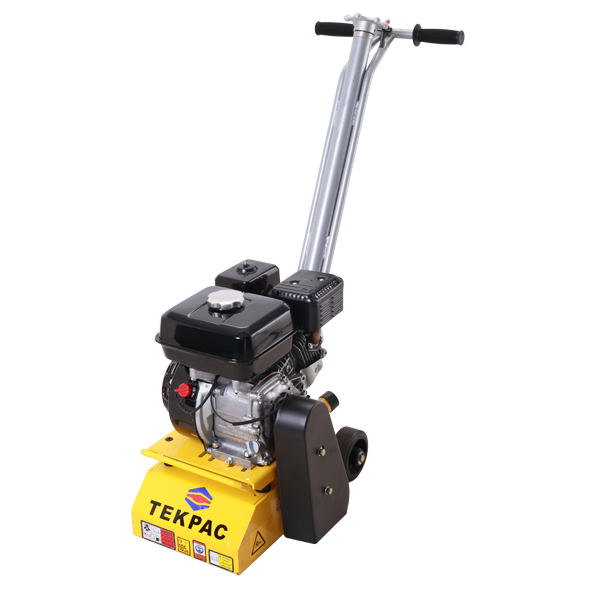
Concrete cutting is one of the most hazardous tasks on any construction or demolition site. Powerful saws, airborne silica dust, flying debris, deafening noise, and heavy vibrations all combine to create a high‑risk environment. The right safety gear is not optional; it is essential. Every operator must understand what to wear, why it matters, and how to use each item correctly.
Below is a comprehensive guide to the critical safety gear every Concrete Cutter should wear before starting work.
---
1. Head Protection: Hard Hats
Why head protection is essential
Concrete cutting often occurs in areas where materials, tools, or debris can fall from above or swing unexpectedly. In addition, operators frequently work near heavy machinery that can strike or pin them. Head injuries can be fatal or cause permanent brain damage, so a properly rated hard hat is non‑negotiable.
Key features to look for
- Impact resistance: The shell must be able to absorb the impact of falling or flying objects.
- Suspension system: An internal harness that distributes the force of an impact across a larger area of the skull.
- Adjustability: A secure fit that does not slip when the operator bends, turns, or looks up.
- Electrical rating (if applicable): If cutting near energized circuits, a hard hat with proper electrical insulation may be required.
Best practices
- Inspect for cracks, dents, UV damage, or brittle spots before each shift.
- Replace the hard hat after any significant impact, even if no damage is visible.
- Adjust the suspension band to fit snugly; too loose and it can fall off at the worst possible moment.
- Do not drill holes, paint the shell with unsuitable products, or store it on the rear shelf of a vehicle in direct sunlight.
---
2. Eye and Face Protection
Concrete cutting produces high‑speed fragments and dust that can permanently damage eyes within seconds. Eye and face protection is critical for every operator and any worker nearby.
Safety glasses
At a minimum, operators must wear safety glasses with:
- Impact‑resistant lenses: Rated to withstand high‑velocity particles.
- Side shields: To protect from debris coming from angles, not just head‑on.
- Anti‑fog or ventilation features: Especially important in humid conditions or when wearing dust masks or respirators.
Face shields
For heavy cutting, overhead cutting, or when using high‑powered saws, a full face shield should be worn in addition to safety glasses, not instead of them.
Benefits include:
- Protection from larger pieces of concrete, slurry, and sparks.
- Shielding of the nose, mouth, and skin from abrasive particles and cutting fluids.
Best practices
- Always wear safety glasses under a face shield; a shield alone is not sufficient.
- Clean lenses regularly; scratched, dirty lenses reduce visibility and increase the risk of mistakes.
- Replace damaged or heavily scratched lenses promptly.
- Store glasses and shields in a clean, dry case when not in use.
---
3. Hearing Protection
Concrete cutting is extremely loud. Handheld saws, walk‑behind saws, and wall saws all produce sound levels that can exceed safe limits within seconds. Prolonged exposure can cause permanent hearing loss and tinnitus.
Types of hearing protection
1. Earplugs
- Disposable foam plugs that expand in the ear canal.
- Reusable silicone or rubber plugs with flanges.
- Good for long periods of use, especially under helmets or with other headgear.
2. Earmuffs
- Cushioned cups that seal over the entire ear.
- Easy to put on and take off.
- Can be mounted on hard hats for convenience.
3. Dual protection
- Combination of earplugs and earmuffs.
- Recommended for very loud environments or extended cutting operations.
Best practices
- Wear hearing protection for the entire time the saw is running, not just during the cut.
- Make sure plugs are inserted correctly: roll, pull the ear gently, and insert deeply enough for a proper seal.
- Check earmuff seals for cracks or compressed foam; replace when worn.
- Keep equipment clean: earwax, sweat, and dirt reduce effectiveness and comfort.
---
4. Respiratory Protection: Dust Masks and Respirators
One of the most serious and often underestimated risks in concrete cutting is respirable crystalline silica dust. Inhaling this fine dust can lead to silicosis, lung cancer, chronic obstructive pulmonary disease, and other severe illnesses. Even short‑term exposure to high levels can irritate the lungs and cause breathing difficulties.
When respiratory protection is needed
- Dry cutting concrete or masonry.
- Scoring, drilling, or coring concrete indoors or in partially enclosed spaces.
- Working where dust controls (like water suppression or vacuum systems) are not fully effective.
Types of respiratory protection
1. Disposable filtering facepiece respirators
- Commonly known as dust masks (such as N95‑type filters).
- Effective against many types of airborne dust when properly fitted.
- Single‑use or limited‑use; must be replaced regularly.
2. Half‑mask reusable respirators
- Use replaceable filter cartridges.
- Offer a better seal, more robust protection, and can be customized for different contaminants.
- Must be cleaned and stored correctly between uses.
3. Full‑face respirators
- Provide protection for eyes and face as well as respiratory protection.
- Useful where both dust and chemical fumes may be present.
- Heavier and may be less comfortable in hot environments.
Fit and usage
- A respirator must seal tightly to the face to work properly.
- Beards, stubble, and facial piercings can break the seal and make the respirator ineffective.
- Perform a user seal check every time the respirator is put on:
- Cover the exhalation valve or filters, breathe in or out gently, and feel for leaks around the edges.
- Replace filters or disposable masks when breathing becomes difficult, they become visibly dirty, or as specified by the manufacturer.
Complementary controls
Respiratory protection should be used alongside, not instead of, engineering controls such as:
- Wet cutting systems that reduce airborne dust.
- Local exhaust ventilation and dust collection.
- Limiting time spent in the cutting area when dust is present.
---
5. Hand Protection: Cut‑Resistant and Vibration‑Dampening Gloves
Hands are constantly at risk during concrete cutting. Operators handle spinning blades, sharp off‑cuts, and heavy equipment that vibrates strongly. Gloves help protect against cuts, abrasions, pinching injuries, and long‑term damage from vibration.
Key roles of gloves
- Cut resistance: Reduces the chance of lacerations from sharp edges of concrete, rebar, and blades.
- Grip: Enhances control over the saw, particularly in wet, dusty, or slurry‑covered conditions.
- Vibration reduction: Some gloves are designed to lessen the impact of tool vibration on hands and arms, helping reduce the risk of hand‑arm vibration syndrome.
- Chemical resistance: When using certain coolants, cleaners, or fuel, resistant gloves may be needed.
Selection tips
- Choose gloves with sufficient cut resistance for handling both concrete and metal.
- Ensure good dexterity; gloves that are too bulky can reduce control and may increase risk.
- Gloves should fit snugly but not restrict movement or blood flow.
- Consider padded or anti‑vibration gloves for long periods of saw use.
Best practices
- Inspect gloves before each use for tears, holes, or worn‑through patches.
- Replace worn or damaged gloves immediately.
- Keep gloves dry when possible; wet gloves can lose grip and strength.
- Use separate gloves for chemical handling and for cutting operations when necessary.
---
6. Foot Protection: Safety Boots
Concrete cutters often move around rubble, rebar, wet slurry, and uneven surfaces. Heavy tools, blade guards, or cut pieces can fall unexpectedly. Proper footwear is vital for avoiding foot injuries and maintaining stability.
Essential features
- Steel or composite toe caps: Protect against crushing injuries from falling pieces or tools.
- Puncture‑resistant soles: Guard against stepping on nails, sharp rebar, or broken metal.
- Slip‑resistant tread: Reduces the risk of slipping on wet concrete, slurry, or dust‑covered floors.
- Ankle support: High‑cut designs help prevent sprains and provide better support on uneven ground.
- Water resistance: Important when cutting with water suppression methods or working in slurry.
Best practices
- Lace boots fully and securely; loose laces can cause tripping and get caught in machinery.
- Clean soles regularly to maintain effective grip.
- Replace boots when soles are worn smooth, toes are exposed, or the structure is compromised.
- Choose a design that balances protection, comfort, and breathability to encourage consistent use.
---
7. Body Protection: High‑Visibility and Cut‑Resistant Clothing
Clothing is more than just a uniform; it is a critical part of a concrete cutter’s safety system.
High‑visibility garments
Concrete cutting is often performed near moving vehicles, loaders, or other heavy equipment. Operators must be visible at all times, especially in low‑light or high‑traffic areas.
- High‑visibility vests, shirts, or jackets: With bright colors and reflective strips.
- Required for work near roads, in warehouses, or where vehicles operate.
- Ensure that reflective areas are kept clean; dirty fabric reflects less light.
Workwear and leg protection
- Durable work pants: Heavy fabric or reinforced knees and thighs help withstand abrasion from concrete and tools.
- Cut‑resistant chaps or trousers (where applicable): May be recommended for particular saw types or cutting methods.
- Long sleeves: Protect arms from flying debris and light contact with hot surfaces or sharp edges.
Best practices
- Avoid loose, dangling clothing, strings, or accessories that could become entangled in moving parts.
- Keep clothing free of oil and fuel that can soak in and become a fire or skin‑irritation hazard.
- Replace torn or heavily worn garments that no longer protect effectively.
---
8. Eye and Skin Protection from Slurry and Chemicals
In addition to dust and debris, concrete cutting often involves:
- Water used for dust suppression and cooling.
- Fuels for the saw engines.
- Lubricants, cleaners, or curing compounds.
These can irritate skin and eyes or cause burns.
Additional gear to consider
- Chemical‑resistant gloves: When handling fuel, cleaning agents, or admixtures.
- Waterproof aprons or coveralls: For prolonged wet cutting or slurry exposure.
- Safety goggles or full‑face respirators: Where splashes are likely, particularly when cleaning equipment or mixing chemicals.
Best practices
- Wash hands and exposed skin thoroughly after working with slurry or chemicals.
- Avoid wiping the face or eyes with contaminated gloves or sleeves.
- Use proper containers and funnels for refueling to reduce spills and splashes.
---
9. Fall Protection and Stability Aids
Depending on the job, concrete cutting might take place on elevated platforms, scaffolding, ladders, or uneven floors. While not always considered “wearable gear,” fall protection equipment is often necessary.
When fall protection is required
- Cutting near open edges or floor openings.
- Working on elevated platforms without adequate guardrails.
- Operating saws on sloped or unstable surfaces with a risk of loss of balance.
Common types of fall protection gear
- Full‑body harnesses: Distribute fall forces across the body.
- Lanyards and shock absorbers: Reduce the impact force of a fall.
- Anchorage points: Must be rated and located correctly.
- Restraint systems: Prevent reaching a fall hazard in the first place.
Best practices
- Always inspect harnesses, lanyards, and connectors before use.
- Adjust harnesses so they are snug and comfortable; loose harnesses can cause severe injury during a fall.
- Keep cutting paths and work areas as level and clutter‑free as possible to reduce trip hazards.
---
10. Hand‑Arm and Whole‑Body Vibration Considerations
While not a specific item of clothing, managing vibration exposure is essential, and some protective gear can help.
Effects of vibration
- Numbness, tingling, or pain in fingers and hands.
- Loss of grip strength and dexterity.
- Long‑term damage to blood vessels and nerves in the hands and arms.
Gear and strategies
- Anti‑vibration gloves: Reduce the severity of vibration reaching the hands.
- Supportive boots and insoles: Help absorb floor and machine vibration.
- Padded tool handles or aftermarket dampening systems: Reduce the level of transmitted vibration.
Best practices
- Take regular breaks to reduce exposure time.
- Alternate tasks so that no worker is operating high‑vibration tools for prolonged periods without rest.
- Use properly maintained saws; worn bearings or unbalanced blades increase vibration significantly.
---
11. Personal Protective Equipment Care and Management
Having the right gear is only the first step. To remain effective, personal protective equipment (PPE) must be maintained, stored, and used correctly.
Inspection routine
Before each use, check:
- Cracks, tears, or deformities in hard hats, face shields, and goggles.
- Straps, buckles, and fasteners for helmets, harnesses, and respirators.
- The condition of seals on respirators and earmuffs.
- The tread, stitching, and toe caps of boots.
- Fabric integrity and reflective strips on vests and clothing.
Cleaning and storage
- Follow manufacturer recommendations for cleaning; harsh chemicals can degrade some materials.
- Store PPE in a clean, dry, and cool location away from direct sunlight and chemicals.
- Do not leave helmets, respirators, or gloves on dashboards or in hot vehicles for long periods.
Replacement
- Replace disposable items (e.g., dust masks) as soon as they are clogged, damaged, or soiled.
- Retire hard hats after a significant impact or according to the recommended service life.
- Exchange worn‑out gloves, boots, or clothing promptly; worn gear gives a false sense of security.
---
12. Training and Culture: Making Safety Gear Non‑Negotiable
Even the best PPE is useless if it is not worn consistently or correctly. A strong safety culture around concrete cutting includes:
- Training: Every operator must understand what each piece of gear does, how to wear it, and what can happen if it is not used.
- Fit testing: Especially for respirators and harnesses, proper fit is crucial.
- Supervision and accountability: Supervisors must lead by example and enforce PPE rules.
- Worker input: Operators should be encouraged to report uncomfortable or poorly performing gear so improvements can be made.
---
13. Summary: Essential Gear at a Glance
Every concrete cutter should be equipped with:
1. Hard hat – Protects against falling objects and head impacts.
2. Safety glasses and face shield – Shields eyes and face from dust and flying debris.
3. Hearing protection – Earplugs or earmuffs to prevent hearing damage.
4. Respiratory protection – Dust masks or respirators to protect against silica and other airborne hazards.
5. Protective gloves – Cut‑resistant and, when needed, anti‑vibration or chemical‑resistant.
6. Safety boots – Steel or composite toes, puncture‑resistant soles, and slip‑resistant tread.
7. High‑visibility and durable clothing – For visibility, abrasion resistance, and basic body protection.
8. Fall protection (when required) – Harnesses, lanyards, and anchorage for elevated or edge work.
9. Additional protective items – Such as waterproof or chemical‑resistant gear depending on the job.
Concrete cutting will always involve risk, but that risk can be dramatically reduced. Consistently wearing the correct safety gear, maintaining it properly, and combining it with safe work practices protects not only individual operators, but everyone on the job site.
- Pagina precedente: Tamping Rammer for Compaction of Greenhouse Floor Bases
- Pagina seguente: Non più
Email :BillyLee@tekpac.com.cn
Copyright © 2022 Wuxi Taixue Construction Machinery Co., Ltd sitemap



 Telefono
Questo sito utilizza i cookie per assicurarti la migliore esperienza sul nostro sito.
Commento
(0)