 Tel:+86-510-80226679
 English
 Español
 Portugues
 Pусский
 Français
 Deutsch
 日本語
 العربية
 Polski
 Türk dili
 Indonesia
 Tiếng Việt
 中文
 Română




Plate Compactor Weight Distribution Tips for Better Compaction
2026-10-11 02:27:14
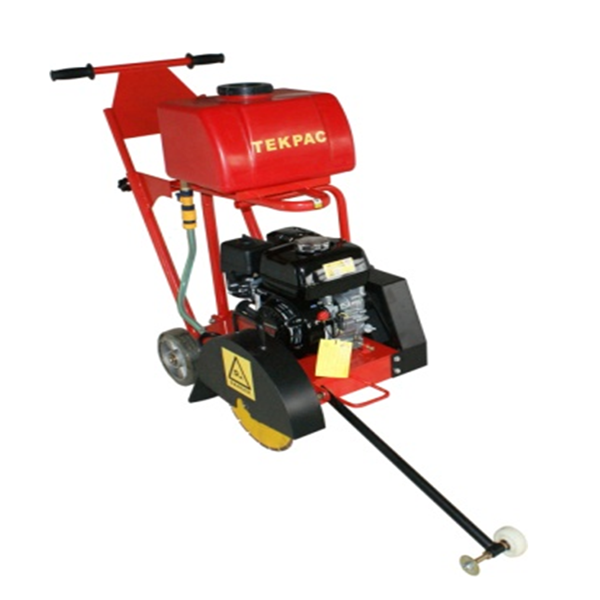
Plate Compactor Weight Distribution Tips for Better Compaction
Achieving strong, stable, and long-lasting ground support depends on more than simply running a plate compactor over soil, gravel, or sand. One of the most important factors in successful compaction is weight distribution. How the machine’s weight is transferred to the surface has a direct impact on density, uniformity, efficiency, and the quality of the finished base. If weight is poorly distributed, some areas may become over-compacted while others remain loose, leading to weak spots, settling, drainage problems, and uneven surfaces later on.
Understanding weight distribution helps operators use plate compactors more effectively in a wide range of applications, including paving preparation, landscaping, foundation work, trench backfilling, and path construction. The following tips explain how to improve compaction results by managing load transfer, machine handling, material conditions, and work patterns.
---
1. Understand Why Weight Distribution Matters
A plate compactor works by using a vibrating base plate to apply force to the ground. The machine’s static weight presses downward, while vibration helps rearrange particles into a denser structure. The key is not just how heavy the machine is, but how evenly that weight is delivered across the plate and into the material.
Good weight distribution means:
- More uniform compaction
- Fewer soft spots
- Better surface leveling
- Reduced need for rework
- Improved load-bearing capacity
Poor weight distribution can cause:
- Uneven density
- Material displacement
- Surface ripples
- Edge instability
- Premature failure of paved or prepared areas
In practice, operators should aim to maximize consistent ground contact and avoid situations where the plate tilts, bounces excessively, or rides unevenly over the surface.
---
2. Start with the Right Machine Size and Plate Type
Weight distribution begins with choosing a plate compactor suited to the job. A machine that is too light may not generate enough force to compact dense material, while one that is too heavy may sink excessively into softer ground or be difficult to control. The plate design also affects how weight spreads across the working area.
When selecting equipment, consider:
- Operating weight: Heavier machines generally produce deeper compaction, but only when the material can support the load.
- Plate width: Wider plates distribute weight over a larger area and are useful for open surfaces. Narrower plates are better for tight spaces or trench work.
- Centrifugal force: This influences how strongly the vibration pushes particles together.
- Plate shape: Some plates are designed to provide smoother movement or better edge control.
For general compaction, a balanced machine with appropriate weight and plate size usually performs better than one chosen only for raw power.
---
3. Match the Machine to the Material
Different materials respond differently to pressure and vibration. Weight distribution must be adjusted depending on whether you are compacting granular soil, sand, gravel, crushed stone, or mixed fill.
Granular soils
Materials such as sand and gravel compact well when vibration is evenly distributed. These materials rely on particle rearrangement rather than moisture binding. A consistent, level pass is usually most effective.
Cohesive soils
Clay and silty soils are more difficult to compact with a plate compactor because they retain moisture and resist particle movement. These materials can become smeared or sealed if overworked. A lighter, more controlled approach often gives better results.
Base material
Crushed stone or road base requires uniform layering and steady passes. If the machine’s weight is concentrated unevenly, larger stones may shift instead of locking together properly.
Backfill
In trenches or around utility lines, weight distribution becomes especially important to avoid creating low spots or damaging surrounding structures. Compact in smaller sections with careful control.
Understanding material behavior helps operators avoid overloading the surface or wasting time on ineffective passes.
---
4. Work in Thin Layers
One of the best ways to improve weight distribution is to place material in thin layers before compacting. A plate compactor performs best when the force can reach the full depth of the lift. If the layer is too thick, the top may appear compacted while the lower section remains loose.
General guidance:
- Spread material in layers of manageable thickness
- Compact each layer before adding the next
- Keep layer thickness consistent across the work area
Thin layers allow the machine’s weight and vibration to travel more evenly through the material. This reduces the chance of trapped voids and improves long-term stability. It also makes surface leveling easier because each lift can be controlled before moving to the next stage.
---
5. Keep the Surface Moisture at the Right Level
Moisture content has a major effect on how weight is distributed through the soil or aggregate. Too little moisture can reduce particle movement and make compaction inefficient. Too much moisture can cause pumping, sinking, or slippage, preventing proper load transfer.
For best results:
- Moisten dry material lightly before compacting
- Avoid saturating the base
- Let wet material dry if it is overly soft or sticky
- Test a small area first to assess response
Correct moisture allows particles to move into tighter contact under the machine’s weight. In sandy or granular material, a small amount of water can improve compaction performance. In clay-rich soils, excess water can prevent the plate from delivering consistent force.
---
6. Use Overlapping Passes
Uniform weight distribution is not just about the machine itself; it also depends on how the operator moves across the area. If passes are too far apart, gaps of weakly compacted material may remain. If the same path is repeated too often, some areas may become overly dense while adjacent sections remain under-compacted.
A better method is to use slight overlaps between each pass. This ensures that the edge of one compaction path reinforces the next. Overlapping helps eliminate striping and keeps density consistent from side to side.
Practical tips:
- Maintain a steady walking speed
- Overlap each pass by a small margin
- Compact in a planned pattern rather than random movement
- Work from one side to the other or in a systematic grid
Consistent overlap is one of the simplest ways to improve overall weight distribution across the work surface.
---
7. Avoid Sudden Turns and Jerky Movement
A plate compactor is designed to move forward gradually under vibration. Sharp turning, abrupt stopping, or forcing the machine sideways can shift its weight unevenly and reduce the quality of compaction. It may also create surface marks or disturb already compacted zones.
To maintain even distribution:
- Keep movements smooth
- Let the machine travel naturally
- Reduce speed before changing direction
- Avoid twisting the handles aggressively
A steady operator allows the plate to maintain better contact with the surface. This helps the machine deliver a more predictable load and prevents localized over-compaction.
---
8. Pay Attention to Edges and Corners
Edges, corners, and confined areas are often the weakest points in a compacted surface. The plate may not distribute weight as effectively in these areas because part of the base is unsupported or the machine cannot travel freely.
To improve edge compaction:
- Use multiple passes near boundaries
- Compact edges before filling the center in some applications
- Work carefully around walls, curbs, and trench sides
- Use narrower equipment if space is limited
Corners and boundaries often need extra attention because they receive less coverage than open areas. Proper edge compaction helps prevent later settlement and cracking.
---
9. Watch for Signs of Uneven Compaction
Good operators monitor the surface during work to identify where weight distribution may be inconsistent. The ground often gives visible clues when something is wrong.
Signs of uneven compaction include:
- Visible ripples or waves
- Soft or sinking spots
- Stone migration to one side
- Excessive bouncing
- Different color or texture in the finished surface
- Tire or foot impressions remaining after passes
If these signs appear, stop and correct the issue before moving on. The problem may be related to moisture, layer thickness, machine setup, or the number of passes. Identifying and fixing uneven areas early prevents larger structural problems later.
---
10. Maintain the Machine Properly
A plate compactor that is poorly maintained cannot distribute weight effectively. Worn vibration mounts, loose fasteners, bent plates, or engine issues can all reduce performance. The machine may vibrate unevenly or lose contact with the ground, lowering compaction quality.
Routine maintenance should include:
- Checking bolts and mounting points
- Inspecting the base plate for wear or damage
- Ensuring handles and vibration components are secure
- Cleaning buildup from the underside of the plate
- Verifying that the engine operates at proper speed
A well-maintained machine delivers more predictable force and a more consistent pressure pattern across the plate. This directly supports better compaction results.
---
11. Adjust Technique for Sloped Areas
Compacting on slopes introduces additional weight distribution challenges. Gravity can shift the machine’s load downhill, reducing even pressure and causing control issues. On sloped ground, the operator must work carefully to maintain stable contact and prevent the machine from sliding or tipping.
Useful practices include:
- Compact from the bottom upward when possible
- Keep passes short and controlled
- Avoid overly steep slopes
- Use extra caution on loose material
- Make sure the surface is stable enough to support the machine
Because weight naturally shifts on an incline, the operator may need to compensate with slower movement and more frequent checks.
---
12. Use Multiple Passes Instead of Forcing One Deep Pass
Trying to achieve full compaction in a single pass often leads to poor weight distribution. The machine may compact the top layer but leave deeper sections loose. Multiple passes allow force to build progressively through the material, improving uniform density.
A layered approach is usually more effective:
1. Spread the material
2. Make an initial pass
3. Add additional passes in overlapping patterns
4. Check the surface condition
5. Repeat if necessary
This method is slower but produces better structural performance. It also helps prevent overloading the machine or disturbing the base.
---
13. Observe Material Response and Adjust Accordingly
No two job sites are exactly the same. Weather, aggregate size, moisture, layer depth, and site preparation all influence how weight is distributed. Skilled operators learn to read the material and adjust their technique accordingly.
For example:
- If the surface is too loose, slow down and increase passes
- If the plate leaves marks, the layer may be too thick or wet
- If the machine bounces too much, the material may be too dry or uneven
- If compaction seems shallow, reduce lift thickness
Responsive operation is often the difference between acceptable results and excellent results.
---
14. Focus on Consistency Over Speed
A common mistake is rushing the job. Fast movement can leave sections under-compacted and lead to irregular weight distribution. Compacting efficiently is important, but consistency matters more than speed.
Keep in mind:
- Uniform passes are better than hurried passes
- Even coverage matters more than covering ground quickly
- Rechecking weak areas saves time later
- Stable technique improves final quality
A patient, methodical approach usually produces stronger and flatter results.
---
15. Final Thoughts
Better compaction starts with better weight distribution. When a plate compactor delivers force evenly across the plate and the operator applies it with steady technique, the result is denser material, improved stability, and a more durable surface. Choosing the correct machine, preparing the base properly, working in layers, controlling moisture, and maintaining consistent passes all contribute to success.
Whether the task involves landscaping, paving, trench backfill, or foundation preparation, understanding how weight is distributed helps ensure the compacted area performs as intended. By focusing on balance, consistency, and proper method, operators can achieve stronger ground support and reduce the risk of future settlement or surface failure.
If you want, I can also turn this into:
1. a more SEO-friendly article,
2. a blog-style version with a title and meta description, or
3. a version with simpler English for easier reading.
E-mail:BillyLee@tekpac.com.cn
Copyright © 2022 Wuxi Taixue Construction Machinery Co., Ltd mappa del sito



 Telefono
Questo sito utilizza i cookie per assicurarti la migliore esperienza sul nostro sito.
Commento
(0)